



Synopsis
Ancient Khapli wheat is seeing a big revival, with urban consumers embracing it for its health benefits. This heirloom grain, richer in fiber and protein with a lower glycemic index, is now a sought-after functional food. Brands are entering the market, and sales are surging, though its premium price remains a factor.
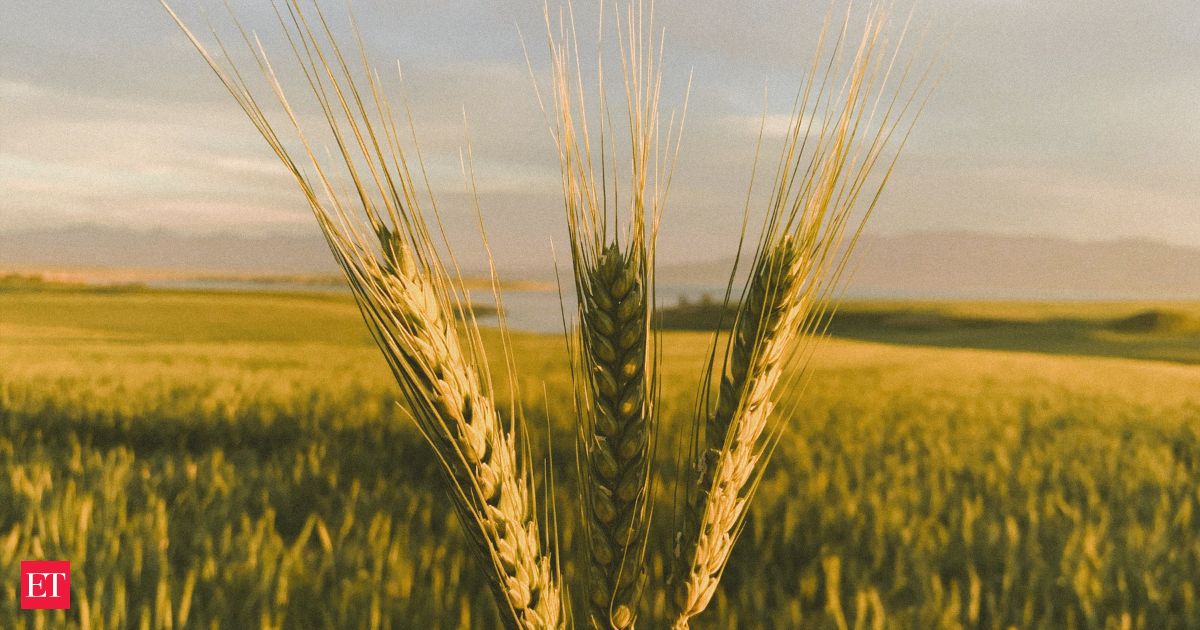
Khapli atta returns as urban Indians turn health-conscious, at nearly five times the priceKhapli wheat, an ancient grain once on the brink of extinction, is staging a spectacular comeback, selling at up to five times the price of regular atta, as urban consumers turn to functional food to manage lifestyle diseases.
Over the past two years, more than a dozen brands, including ITC, Urban Platter, Anveshan, GirOrganic, Satvyk, Conscious Food, Amala Earth and regional millers, have entered the heirloom flour segment.
Compared to modern wheat, khapli — also known as emmer wheat — is richer in fibre and protein, and has a lower glycaemic index, helping a steady release of glucose into the bloodstream, critical for managing diabetes.
“Customers are highly aware of their health and want to invest in good food to prevent diseases. Another category includes those who have already suffered a health scare, had a wake-up call, and returned to eating good food,” said Satyajit Hange, cofounder of Two Brothers Organic Farms, a Pune-based organic food products firm.
He said the company’s sales of khapli atta have increased seven to eight-fold over the past two years.
This revival comes at a time when consumers are experimenting with their food habits to manage lifestyle diseases such as diabetes, obesity and hormonal disorders.
Many are shifting to grains perceived to have lower glycaemic scale. While sales of regular atta are growing at 8% to 9% a year and high-protein variants at 15% to 18%, khapli atta is expanding at nearly five times the pace of the overall category, according to industry estimates. However, it is priced at three to five times the cost of regular atta. This price gap is a key challenge to push volume sales not just for khapli but also for other healthier grains such as millets and buckwheat.
While regular wheat flour typically sells for about Rs 50 a kg, ITC’s khapli atta has a price tag of Rs 159 per kg. Two Brothers Organic Farms sells its khapli flour at about Rs 250 per kg.
Kuttu, or buckwheat, traditionally grown in the northern foothills, is now being sold by a few brands at Rs 450-500 per kg.
Retail prices of kuttu, rajgira (amaranth), and jav (barley) have increased three to four times over the last decade.
Experts, however, said these gluten-free grains with low glycaemic index are largely consumed by affluent consumers in top cities, or at five-star hotels.
Demand for khapli is also being driven by consumers who have experimented with millets but are reluctant to give up wheat entirely. “Khapli atta is four to five times more expensive than normal atta,” said Sharmila Oswal, managing director of Basalia Organics, which does bulk supply of khapli atta to some of the national FMCG brands and owns a millet brand, Gudmom. “People who have started using millets to manage their diabetes but miss their roti, opt to eat khapli wheat roti once or twice a week,” she added.
Several seed companies are also exploring ways to boost khapli yields, which are significantly lower than modern wheat.
Scientists, however, warn that this could raise gluten levels, impacting the inherent characteristics that have made the grain attractive to health-conscious buyers. “The endosperm to bran ratio is 80:15 in normal varieties like bansi, while it is 75:20 in khapli. But we need more research to understand the nutritional qualities of khapli wheat,” said Manoj Oak, a scientist working on khapli wheat at Agharkar Research Institute in Pune.